September 24 Cappadocia Heritage Day: Private Soğanlı, Sobesos & Keşlik Tour
September 24 Cappadocia Heritage Day: Private Soğanlı, Sobesos & Keşlik Tour
September is an excellent time to look beyond Cappadocia’s most photographed valleys and discover the quieter layers of its history. The summer heat is beginning to ease, the countryside is still richly colored, and the region’s villages and ancient sites can be explored at a comfortable pace. For travelers seeking a heritage-focused day outside the usual sightseeing circuit, the Private Soğanlı Valley, Sobesos Ancient City & Keşlik Monastery Tour offers a thoughtful combination of landscape, archaeology, village culture, and religious history.
This private excursion is scheduled to depart on September 24, 2026, with further departures on September 25 and 26. Lasting approximately seven to eight hours, it is designed for visitors who want to understand Cappadocia as a lived cultural region rather than simply admire its rock formations.
A different side of Cappadocia
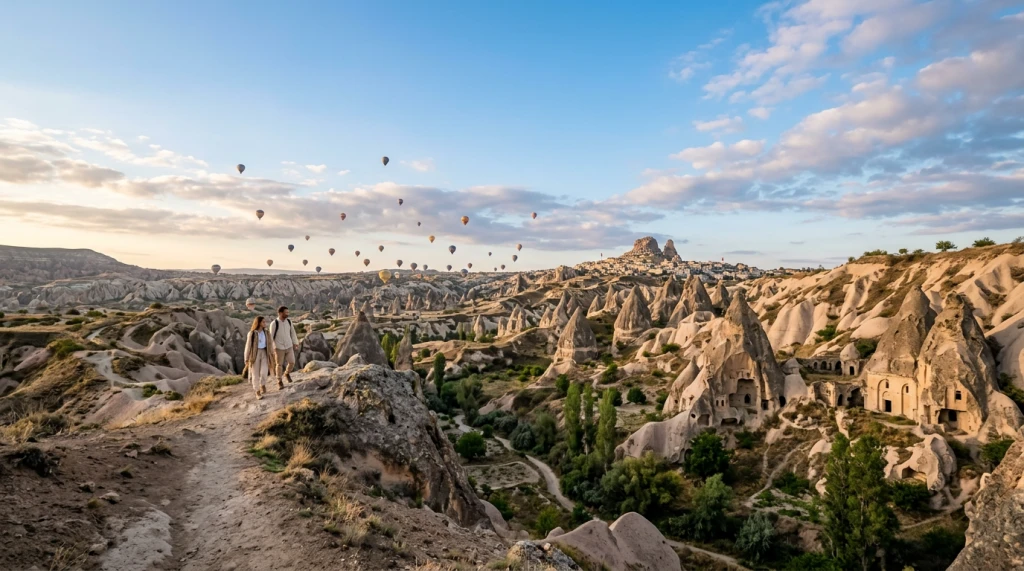
Many first-time visitors associate Cappadocia with sunrise balloons, fairy chimneys, and cave settlements. Those experiences are memorable, but the wider region also contains small communities, ancient rural centers, and places of worship that reveal how people lived, traveled, and practiced their faith across centuries.
The route brings these quieter stories together. Soğanlı Valley provides the natural setting, while Sobesos Ancient City introduces the archaeological dimension. Keşlik Monastery and Cemil Church reflect Cappadocia’s Christian heritage, and Mustafapaşa, historically known as Sinasos, adds a village perspective shaped by the region’s multicultural past. With a private guide, the day can be experienced as a connected narrative instead of a series of unrelated stops.
What the private tour covers
Soğanlı Valley
Soğanlı is known for its peaceful rural character and dramatic valley scenery. Its paths lead through a landscape of cliffs, cultivated fields, and historic rock-cut spaces. Rather than feeling like a busy central attraction, the valley offers time to notice details: the relationship between homes and farmland, the texture of the stone, and the way religious buildings were integrated into the landscape.
Comfortable walking shoes are important here. Even a guided visit may include uneven ground, steps, or sloping paths, so guests should plan for a day that combines vehicle travel with moderate walking and outdoor exploration.
Sobesos Ancient City
Sobesos adds an archaeological focus to the itinerary. The ancient city helps place Cappadocia within the broader history of central Anatolia, showing that the area was not only a retreat for monastic communities but also part of a wider network of settlements and regional life.
A licensed guide is especially useful at a site such as Sobesos. Inscriptions, architectural remains, and exposed structures can be easy to overlook without context. The guide can explain how the site fits into the history of the surrounding landscape while keeping the visit accessible for travelers with different levels of archaeological knowledge.
Keşlik Monastery and Cemil Church
Keşlik Monastery is one of the day’s central heritage experiences. Its atmosphere encourages a slower visit, with attention to the spaces carved into the rock and the practical organization of monastic life. Cemil Church continues the religious and artistic story, offering another opportunity to consider the connections between worship, settlement, and local geology.
Visitors should dress respectfully for religious heritage sites, even when they are no longer active places of worship. Shoulders and knees covered by light, breathable clothing are practical choices in September, and it is sensible to ask before taking photographs in sensitive interiors.
Mustafapaşa, or Sinasos
The visit to Mustafapaşa adds a cultural counterpoint to the valleys and ruins. The village is recognized for its historic character and distinctive stone architecture, making it a rewarding place to observe how Cappadocia’s heritage continues beyond museums and archaeological sites.
Walking through the village is also a reminder that preservation is not limited to ancient monuments. Streets, façades, former residences, and community spaces can all contribute to the identity of a historic settlement.
Why September works so well
Late September generally brings warm daylight and cooler mornings and evenings, making it easier to combine outdoor sightseeing with heritage visits. The softer seasonal light can be especially attractive in the valley landscapes, while the cooler air is welcome during walks and archaeological exploration.
Pack a refillable water bottle, sun protection, a light layer for the evening, and sturdy shoes. A small day bag is useful for personal essentials, and travelers should allow enough flexibility for photography and guide commentary rather than planning another tightly timed activity immediately afterward.
Included comfort and planning notes
The tour includes a professional licensed guide, a luxury vehicle, and museum entrances. These inclusions make the day convenient for travelers who prefer an organized cultural experience without joining a large group. Because the tour is private, it is also well suited to couples, families, and friends who want to focus on heritage rather than follow a standard panoramic itinerary.
For travelers comparing regional experiences, the wider Cappadocia Tours collection can provide additional ideas for extending a stay. However, this particular heritage day stands on its own: it connects Soğanlı Valley, Sobesos, Keşlik Monastery, Mustafapaşa, and Cemil Church in one carefully shaped journey.
A meaningful Cappadocia day trip
The appeal of this itinerary is its balance. Nature frames the day, archaeology gives it depth, village life adds human scale, and the monastery and church reveal the spiritual history embedded in Cappadocia’s landscape. If your September visit is about discovering places with atmosphere and context, rather than simply checking off famous viewpoints, this private tour offers a rewarding way to travel deeper into the region.
Our partners