

Tour Detail
This carefully curated program traces the early Christian communities and the Seven Churches of Revelation across Anatolia, combining historical depth with comfortable, insightful travel. Enjoy private transportation, licensed guides, and handpicked hotels as you explore sacred sites, archaeological treasures, and places of pilgrimage.
Tour Program
01 Day 1 • Arrival to Istanbul & Bosphorus Breeze
Arrival at Istanbul Airport and meet-and-greet with Rituals Travel & Events. Private transfer to the hotel and time to rest. In the late afternoon enjoy an optional Bosphorus cruise or seaside stroll followed by a welcome briefing.
Overnight in Istanbul
02 Day 2 • Christian Heritage of Istanbul & Historic Peninsula
After breakfast, begin exploring Istanbul's Historic Peninsula, one of the world's most remarkable cultural landscapes where Byzantine, Christian, and Ottoman civilizations intersect. This full-day program focuses on the city's rich Christian heritage, iconic monuments, and vibrant historical atmosphere.
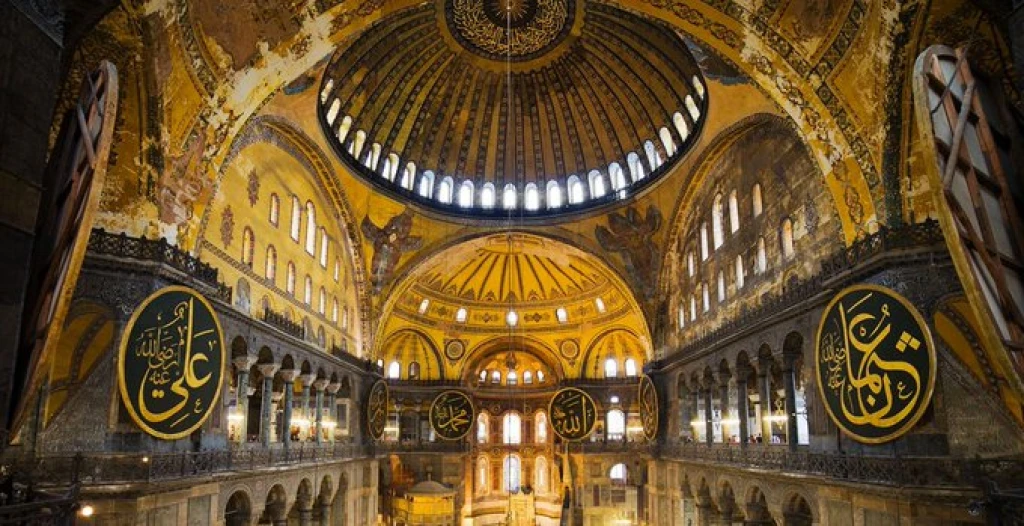
Hagia Sophia (Exterior Visit & Historical Overview)
Hagia Sophia is one of the most famous landmarks in the world and a masterpiece of Byzantine architecture. Commissioned by Emperor Justinian I and completed in 537 AD, it served as the largest Christian cathedral in the world for nearly 1,000 years. Following the Ottoman conquest of Constantinople in 1453, it was converted into a mosque, later became a museum, and today functions again as a mosque.
During the visit, guests will enjoy an exterior view while learning about the building's extraordinary history, architectural innovations, and its significance for both Christianity and Islam. Access to certain areas is subject to current regulations and operating conditions.
Highlights
- Built in 537 AD during the Byzantine Empire
- Former seat of the Eastern Orthodox Church
- UNESCO World Heritage Site
- Famous for its massive dome and Byzantine engineering
- Symbol of Istanbul's multicultural heritage
Hippodrome of Constantinople
The Hippodrome was the social, political, and sporting center of Byzantine Constantinople. Constructed by Emperor Septimius Severus and later expanded by Emperor Constantine the Great, it once accommodated more than 100,000 spectators.
Today, the former racetrack survives as Sultanahmet Square, where visitors can still admire several remarkable monuments that once decorated the arena.
Obelisk of Theodosius
Originally erected in Egypt by Pharaoh Thutmose III around 1450 BC, this ancient granite obelisk was transported to Constantinople in 390 AD by Emperor Theodosius I. It remains one of the oldest surviving monuments in Istanbul and is decorated with beautifully preserved hieroglyphics.
Serpent Column
The Serpent Column dates back to the 5th century BC and originally stood at the Sanctuary of Delphi in Greece. Created to commemorate the Greek victory over the Persians at the Battle of Plataea, it was relocated to Constantinople by Emperor Constantine. Although only part of the original monument survives today, it remains one of the city's oldest historical artifacts.
Highlights
- Former Byzantine chariot racing arena
- Political and ceremonial heart of Constantinople
- Home to the Obelisk of Theodosius
- Historic Serpent Column from ancient Delphi
- UNESCO World Heritage area
Blue Mosque (Sultan Ahmed Mosque)
The magnificent Blue Mosque, officially known as the Sultan Ahmed Mosque, was built between 1609 and 1616 during the reign of Sultan Ahmed I. It is one of Istanbul's most celebrated Ottoman monuments and continues to serve as an active place of worship.
The mosque is internationally renowned for its elegant cascading domes, six graceful minarets, and over 20,000 handmade İznik ceramic tiles that decorate its interior with stunning blue floral patterns, giving the mosque its popular name.
Visitors will receive information about Ottoman religious architecture, Islamic traditions, and the mosque's historical importance.
Highlights
- Built between 1609–1616
- Famous for six minarets
- Decorated with over 20,000 İznik tiles
- Masterpiece of Classical Ottoman architecture
- Active mosque and major cultural landmark
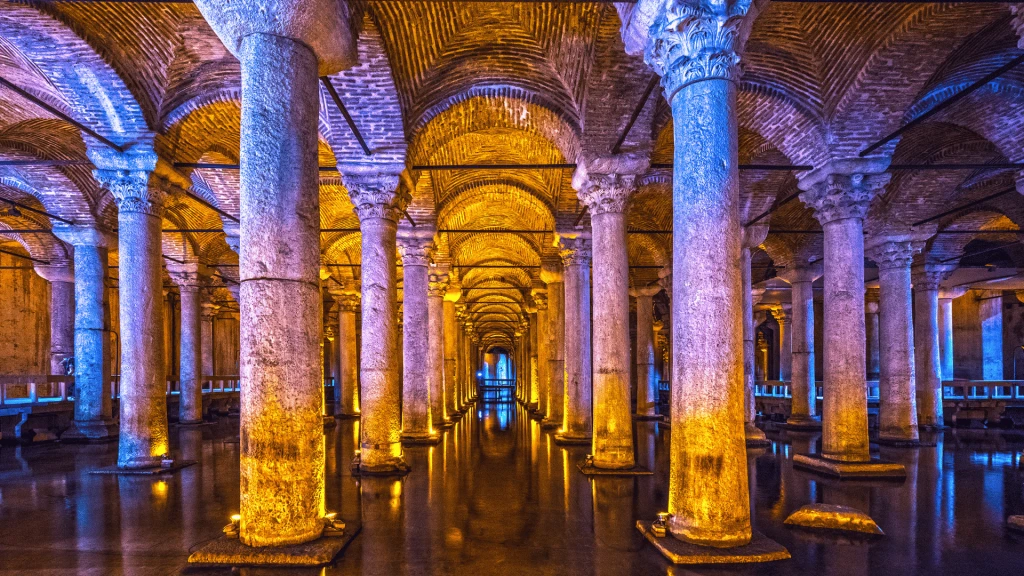
Basilica Cistern
Hidden beneath the streets of the Historic Peninsula lies the fascinating Basilica Cistern (Yerebatan Cistern), the largest surviving Byzantine underground water reservoir.
Built during the reign of Emperor Justinian I in the 6th century, the cistern was designed to supply water to the Great Palace and nearby buildings. It features 336 marble columns, atmospheric lighting, and the world-famous Medusa Head column bases, making it one of Istanbul's most captivating historical attractions.
The cistern offers visitors a unique glimpse into Byzantine engineering and urban infrastructure.
Highlights
- Constructed in the 6th century
- Largest surviving Byzantine cistern
- 336 marble columns
- Famous Medusa Head sculptures
- Outstanding example of ancient engineering
Byzantine Christian Heritage Walk
In the afternoon, continue with a leisurely walk through the streets of the Historic Peninsula, discovering the legacy of Byzantine Constantinople. The route introduces visitors to the historical setting of early Christianity, ancient city walls, former churches, and neighborhoods that preserve the spirit of the Eastern Roman Empire.
Along the way, the guide will explain the transformation of Constantinople into modern Istanbul while highlighting the city's unique role as a bridge between Europe and Asia and between Christian and Islamic civilizations.
Grand Bazaar
Conclude the day with a visit to the legendary Grand Bazaar (Kapalıçarşı), one of the oldest and largest covered markets in the world.
Dating back to the 15th century, shortly after the Ottoman conquest of Constantinople, the bazaar today features more than 4,000 shops spread across dozens of covered streets. Visitors can browse traditional Turkish carpets, handmade ceramics, jewelry, leather goods, spices, textiles, souvenirs, and local handicrafts while experiencing the lively atmosphere of one of Istanbul's most iconic marketplaces.
Highlights
- Established in the 15th century
- One of the world's largest covered markets
- More than 4,000 traditional shops
- Excellent destination for Turkish handicrafts and souvenirs
- Rich Ottoman commercial heritage
Overnight in Istanbul.
03 Day 3 • Flight to Izmir (Smyrna) & Smyrna Traces
After breakfast, transfer to the airport for a domestic flight to Izmir, historically known as Ancient Smyrna, one of the Seven Churches of Revelation mentioned in the Book of Revelation. Upon arrival, begin exploring the city's rich biblical, Roman, and Byzantine heritage while discovering its importance in early Christianity.
Agora of Smyrna
The Agora of Smyrna is one of the best-preserved Roman agoras in Türkiye and offers remarkable insight into daily life in the ancient city. Originally established during the Hellenistic period and extensively rebuilt after a devastating earthquake in 178 AD under the Roman Emperor Marcus Aurelius, the agora served as the political, commercial, and social heart of ancient Smyrna.
Visitors can explore impressive stone arches, marble columns, ancient marketplaces, inscriptions, and water channels while learning about the city's significance during the Roman Empire.
For Christian history enthusiasts, Smyrna holds special importance as one of the Seven Churches of Asia Minor addressed in the Book of Revelation (Revelation 2:8–11). The city became one of the earliest centers of Christianity despite periods of persecution under Roman rule.
Highlights
- One of the best-preserved Roman agoras in Türkiye
- Reconstructed after the earthquake of 178 AD
- Important archaeological site of Ancient Smyrna
- Connected with one of the Seven Churches of Revelation
- Outstanding Roman architecture and engineering
Kadifekale (Velvet Castle)
Perched on Mount Pagos, Kadifekale offers one of the finest panoramic views over the Gulf of Izmir and the modern city below. The original fortress is traditionally believed to have been established during the reign of Alexander the Great and later expanded by Roman and Byzantine rulers.
Besides its strategic military importance, Kadifekale provides visitors with an excellent opportunity to understand the geographical setting of Ancient Smyrna and its development through Hellenistic, Roman, Byzantine, and Ottoman periods.
From the castle walls, enjoy breathtaking views while learning about the city's transformation over more than two millennia.
Highlights
- Historic fortress overlooking Izmir
- Origins linked to Alexander the Great
- Expanded during Roman and Byzantine periods
- Spectacular panoramic city and gulf views
- Significant defensive landmark of Ancient Smyrna
Smyrna and the Early Christian Community
During the tour, discover the fascinating story of Smyrna's early Christian community, one of the strongest and most faithful congregations of the early Church.
According to the Book of Revelation, the Christians of Smyrna remained steadfast despite persecution and were praised for their faith and perseverance. The city played a vital role in spreading Christianity throughout western Asia Minor and became one of the leading Christian centers of the Roman Empire.
The guide will also explain the missionary journeys of Saint Paul (Apostle Paul) throughout Asia Minor, highlighting how the region surrounding Smyrna became an important crossroads for the growth of the early Christian Church.
Highlights
- One of the Seven Churches of Revelation
- Important center of early Christianity
- Biblical connections to the Apostle Paul
- History of Roman persecution and Christian perseverance
- Significant role in the spread of Christianity
St. Polycarp Church (Optional – Subject to Prior Arrangement)
Subject to prior arrangement and availability, guests may visit St. Polycarp Church, dedicated to Saint Polycarp, the first Bishop of Smyrna and one of the most revered figures in early Christianity.
Saint Polycarp was a disciple of Saint John the Apostle and became one of the most influential Christian leaders of the 2nd century. He was martyred around 155 AD, and his unwavering faith made him one of Christianity's earliest and most celebrated martyrs.
The church features beautiful frescoes depicting the life and martyrdom of Saint Polycarp and remains one of Izmir's most important Christian pilgrimage sites.
Highlights
- Dedicated to Saint Polycarp, Bishop of Smyrna
- Important Christian pilgrimage destination
- Beautiful religious frescoes
- Connection to Saint John the Apostle
- Optional visit subject to prior arrangement
Kordon Promenade
In the evening, enjoy free time along the famous Kordon Promenade, Izmir's lively waterfront stretching beside the Aegean Sea.
Lined with palm trees, cafés, restaurants, and beautiful seaside parks, Kordon is one of the city's most popular gathering places. Visitors can enjoy a relaxing walk while taking in spectacular sunset views over the Gulf of Izmir and experiencing the city's vibrant Mediterranean atmosphere.
The promenade perfectly combines Izmir's historical charm with its modern coastal lifestyle.
Highlights
- Scenic waterfront promenade
- Beautiful sunset views over the Aegean Sea
- Cafés, restaurants, and local atmosphere
- One of Izmir's most iconic leisure areas
- Ideal place for an evening stroll
Overnight in Izmir or Kusadasi.
04 Day 4 • Pergamon (Bergama): Acropolis, Asklepion & Red Basilica
After breakfast, depart for Pergamon (Bergama), located approximately 1.5–2 hours north of Izmir. Recognized as a UNESCO World Heritage Site, Pergamon was one of the greatest cultural, intellectual, and religious centers of the ancient world. Famous for its magnificent acropolis, impressive healing sanctuary, and biblical significance as one of the Seven Churches of Revelation, the city offers an unforgettable journey through Hellenistic, Roman, and early Christian history.
Pergamon Acropolis
Perched dramatically on a steep hill overlooking the Bakırçay Plain, the Pergamon Acropolis was the political, cultural, and religious heart of the ancient kingdom. During the Hellenistic period, Pergamon became one of the most powerful cities in Asia Minor under the Attalid Dynasty and was renowned for its art, science, architecture, and one of the ancient world's greatest libraries.
Visitors will explore the impressive remains while enjoying spectacular panoramic views across the surrounding countryside.
Highlights
- UNESCO World Heritage Site
- Capital of the Hellenistic Kingdom of Pergamon
- One of the major cultural centers of antiquity
- Exceptional panoramic views
- Important biblical and archaeological destination
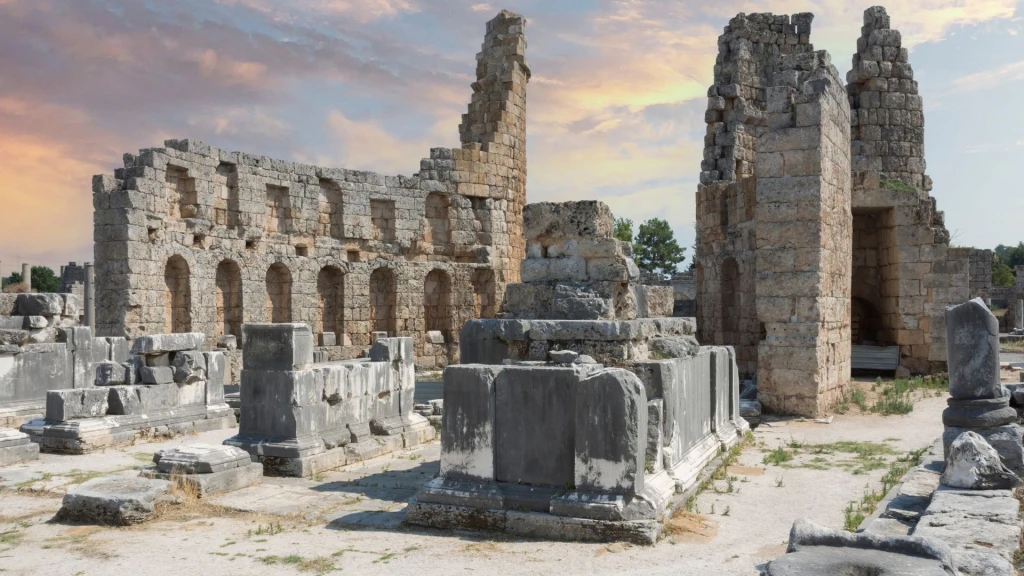
Temple of Trajan
The Temple of Trajan is one of the finest Roman monuments in Pergamon. Built during the reign of Emperor Trajan and completed under Emperor Hadrian in the 2nd century AD, the temple was dedicated to the imperial cult and symbolized the city's importance within the Roman Empire.
Its elegant Corinthian columns and elevated terrace demonstrate the sophistication of Roman architecture while offering magnificent views over the ancient city.
Highlights
- Built in the 2nd century AD
- Dedicated to Emperor Trajan
- Outstanding example of Roman architecture
- Impressive marble terrace and columns
- Panoramic viewpoint over Pergamon
Sanctuary of Athena
The Sanctuary of Athena was the oldest sacred area of Pergamon and served as the city's principal religious center during the Hellenistic period. Dedicated to Athena, the goddess of wisdom and warfare, the sanctuary stood adjacent to the famous Library of Pergamon, once considered the second-largest library of the ancient world after Alexandria.
The guide will explain the importance of Pergamon as a center of education, philosophy, and scientific advancement, as well as its contribution to the invention and widespread use of parchment (pergamenum).
Highlights
- Oldest sanctuary in Pergamon
- Dedicated to Athena, goddess of wisdom
- Adjacent to the famous Library of Pergamon
- Center of Hellenistic learning and culture
- Birthplace of parchment production
Pergamon Theatre
One of the most spectacular ancient theatres ever constructed, the Pergamon Theatre is dramatically built into the steep hillside of the Acropolis. With a capacity of approximately 10,000 spectators, it is recognized as the steepest ancient theatre in the world.
Visitors can admire its remarkable engineering while enjoying breathtaking views over the valley below and learning about theatrical performances, festivals, and civic life in ancient Pergamon.
Highlights
- Steepest ancient theatre in the world
- Capacity of around 10,000 spectators
- Exceptional Hellenistic engineering
- Stunning panoramic scenery
- Important cultural venue of ancient Pergamon
Asklepion – Ancient Healing Center
Continue to the remarkable Asklepion of Pergamon, one of the most famous medical centers of the ancient world and a major pilgrimage destination for those seeking physical and mental healing.
Dedicated to Asclepius, the Greek god of medicine, the sanctuary welcomed patients from across the Roman Empire. Treatments combined medical science with religious rituals, including therapeutic baths, herbal medicine, dream interpretation, music therapy, exercise, and psychological care.
The Asklepion is closely associated with the renowned physician Galen, who was born in Pergamon and became one of antiquity's most influential medical scholars. His teachings shaped medical practice for more than a thousand years.
Visitors will explore the sacred road, treatment chambers, underground passageways, theatre, temples, and healing facilities while learning about the origins of medicine in the ancient world.
Highlights
- One of antiquity's leading medical centers
- Dedicated to Asclepius, the god of healing
- Birthplace of the physician Galen
- Ancient therapies combining medicine and spirituality
- Outstanding Roman medical architecture
Red Basilica (Red Hall / Temple of Serapis) – Exterior Visit
Conclude the historical exploration with an exterior view of the impressive Red Basilica, also known as the Temple of Serapis. Constructed during the reign of Emperor Hadrian in the 2nd century AD, the massive red-brick sanctuary was originally dedicated to the Egyptian gods, particularly Serapis and Isis.
During the Byzantine period, the structure was converted into a Christian basilica, reflecting the religious transformation of Pergamon as Christianity spread throughout Asia Minor. Today, it remains one of the largest surviving Roman brick buildings in the Mediterranean region and is closely connected with Pergamon's identity as one of the Seven Churches of Revelation.
Highlights
- Monumental Roman temple built in the 2nd century AD
- Originally dedicated to Serapis and Isis
- Later converted into a Christian basilica
- One of the largest surviving Roman brick structures
- Significant biblical and archaeological landmark
Overnight in Izmir or Kusadasi.
05 Day 5 • Thyatira (Akhisar), Sardis (Sart) & Philadelphia (Alasehir) – to Pamukkale
Depart early in the morning for a full day exploring three of the Seven Churches of Revelation mentioned in the Book of Revelation. This remarkable biblical journey follows the footsteps of the early Christian communities in Thyatira, Sardis, and Philadelphia, before continuing to the magnificent ancient city of Hierapolis in Pamukkale. Throughout the day, discover the rich religious, archaeological, and cultural heritage of western Asia Minor.
Thyatira (Akhisar)
The first stop is Thyatira, located in the modern town of Akhisar. In the New Testament, Thyatira is one of the Seven Churches of Revelation addressed in Revelation 2:18–29. The city was well known in antiquity for its flourishing trade guilds, textile production, and purple dye industry.
According to the Book of Acts, Lydia, the seller of purple cloth and the first recorded Christian convert in Europe, was originally from Thyatira. This connection gives the city a special place in early Christian history.
During the visit, guests will explore the archaeological remains while learning about the city's commercial importance, its Christian community, and the message delivered to the church in the Book of Revelation.
Highlights
- One of the Seven Churches of Revelation
- Biblical hometown of Lydia, seller of purple cloth
- Important Roman commercial and textile center
- Archaeological remains of ancient Thyatira
- Early Christian heritage of Asia Minor
Sardis
Continue to Sardis, the magnificent capital of the ancient Kingdom of Lydia and another of the Seven Churches of Revelation. Sardis was one of the wealthiest cities of the ancient world, famous for its gold deposits and for being the kingdom of the legendary King Croesus.
The city later became an important Roman administrative center and developed a significant Christian community during the early centuries of Christianity.
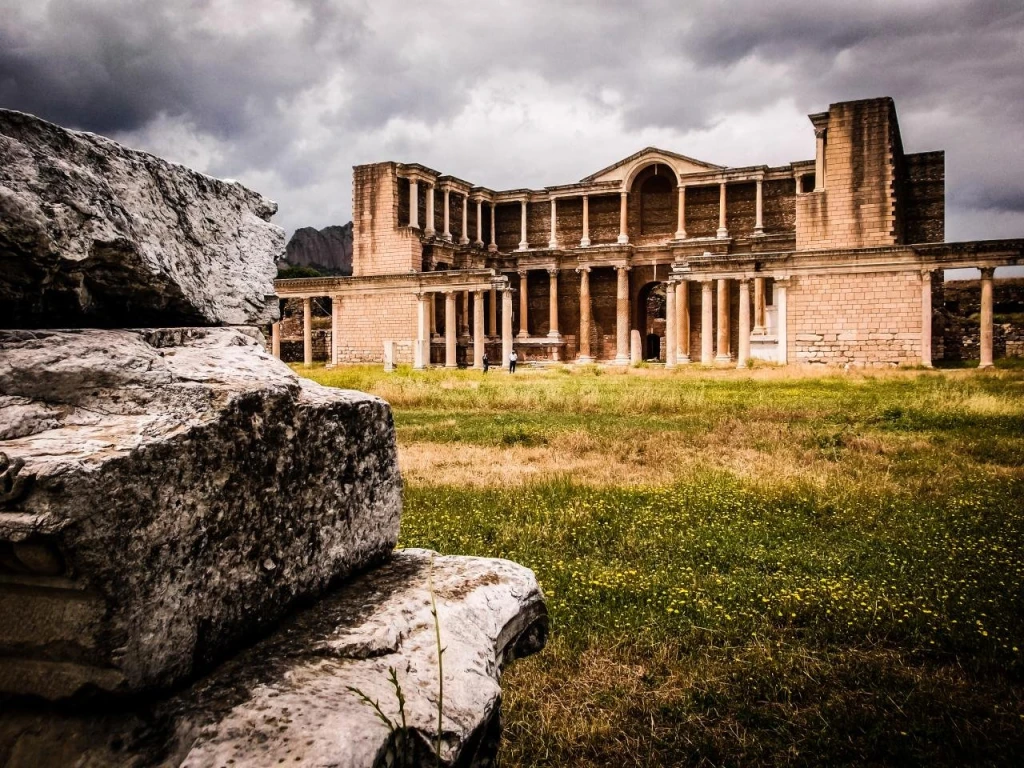
Gymnasium and Bath Complex
One of Sardis' most impressive monuments is its monumental Gymnasium and Bath Complex, beautifully restored to demonstrate the grandeur of Roman public architecture. The enormous complex served as a center for education, athletics, social life, and bathing.
Visitors will admire its towering marble façade while learning about daily life during the Roman Empire.
Highlights
- Monumental Roman public building
- Impressive marble restoration
- Center of education and social life
- Excellent example of Roman engineering
Sardis Synagogue
The Sardis Synagogue is among the largest and most significant ancient synagogues ever discovered outside Israel. Dating primarily to the 3rd century AD, it reflects the prosperity and influence of the Jewish community living alongside Christians and pagans within the Roman Empire.
Beautiful mosaic floors, marble decorations, and inscriptions provide valuable insight into the multicultural character of ancient Sardis.
Highlights
- One of the largest ancient synagogues in the world
- Rich marble architecture and mosaics
- Evidence of religious diversity in Roman Sardis
- Exceptional archaeological importance
Temple of Artemis
Visit the impressive Temple of Artemis, one of the largest temples ever built in Asia Minor. Construction began during the Hellenistic period and continued under Roman rule, although the temple was never fully completed.
Dedicated to Artemis, the Greek goddess of hunting and nature, the sanctuary later stood alongside Christian buildings, illustrating the religious transformation of the region from pagan worship to Christianity.
Highlights
- One of the largest temples in Anatolia
- Dedicated to the goddess Artemis
- Hellenistic and Roman architectural remains
- Symbol of the transition from paganism to Christianity
Philadelphia (Alaşehir)
Continue to Philadelphia, today's Alaşehir, another of the Seven Churches of Revelation. Founded during the Hellenistic period by the Kingdom of Pergamon, Philadelphia became one of the strongest Christian communities in Asia Minor.
In the Book of Revelation (Revelation 3:7–13), the church of Philadelphia is praised for its faithfulness and perseverance. Unlike many other early Christian communities, it received only words of encouragement and commendation.
Today, visitors can observe the surviving Byzantine columns, sections of ancient city walls, and other archaeological remains that reflect the city's important Christian past.
Highlights
- One of the Seven Churches of Revelation
- Praised for faithfulness in the Book of Revelation
- Byzantine columns and archaeological remains
- Significant center of early Christianity
- Historic city of Hellenistic and Roman origin
Drive to Pamukkale
Overnight in Pamukkale.
06 Day 6 • Laodicea & Hierapolis (Pamukkale) – Transfer to Kusadasi
After breakfast, begin the day with a visit to the remarkable ancient city of Laodicea, one of the Seven Churches of Revelation, before continuing to the magnificent Hierapolis–Pamukkale UNESCO World Heritage Site. Explore impressive archaeological remains, discover the biblical significance of the region, and admire one of the world's most extraordinary natural landscapes. In the afternoon, transfer to Selçuk/Kuşadası, the gateway to the legendary city of Ephesus.
Laodicea Ancient City
The day begins at Laodicea on the Lycus, one of the wealthiest and most influential cities of Roman Asia Minor. Founded during the 3rd century BC by Antiochus II of the Seleucid Kingdom and named after his wife Laodice, the city became a thriving commercial, financial, and textile center renowned for its banking industry, black wool production, and medical school.
Laodicea is especially significant for Christian visitors as one of the Seven Churches of Revelation addressed in Revelation 3:14–22. The city's famous description as being "lukewarm" symbolizes a community criticized for spiritual complacency despite its material prosperity. During the visit, your guide will explain the historical background and the symbolic meaning of this important biblical message.
Highlights
- One of the Seven Churches of Revelation
- Major Roman commercial and financial center
- Famous for banking, textiles, and medicine
- Rich biblical significance in the Book of Revelation
- Extensive ongoing archaeological excavations
Ancient Theatre of Laodicea
Explore the impressive Ancient Theatre, one of the city's best-preserved public buildings. Originally constructed during the Hellenistic period and later expanded by the Romans, the theatre could accommodate thousands of spectators and hosted theatrical performances, public gatherings, and civic ceremonies.
From its upper seating levels, visitors can enjoy panoramic views across the Lycus Valley while appreciating the engineering achievements of the Roman world.
Highlights
- Large Hellenistic-Roman theatre
- Excellent panoramic views
- Venue for public entertainment and ceremonies
- Outstanding example of Roman architecture
Early Christian Church Remains
Continue to the excavated remains of one of the earliest known Christian churches in Laodicea. Archaeological discoveries reveal basilica foundations, mosaics, inscriptions, and religious structures that demonstrate the city's importance as an early Christian center following the apostolic period.
The guide will discuss the growth of Christianity in Laodicea, its relationship with neighboring churches such as Colossae and Hierapolis, and the powerful spiritual lessons contained in the Book of Revelation.
Highlights
- Early Christian basilica remains
- Archaeological evidence of Christian worship
- Biblical connections with the New Testament
- Insight into the development of early Christianity
Hierapolis Ancient City
Continue to Hierapolis, an extraordinary ancient city founded during the 2nd century BC above Pamukkale's famous thermal springs. Flourishing under Roman rule, Hierapolis became one of the leading spa cities of antiquity, attracting visitors seeking healing through its mineral-rich waters.
The city also became an important center of early Christianity and is traditionally associated with Saint Philip the Apostle, who is believed to have been martyred here during the 1st century AD.
As part of the UNESCO World Heritage Site, Hierapolis preserves some of the finest Roman ruins in Türkiye.
Highlights
- UNESCO World Heritage Site
- Ancient Roman spa city
- Important early Christian pilgrimage destination
- Traditional association with Saint Philip the Apostle
- Exceptional archaeological preservation
Hierapolis Necropolis
Explore the vast Necropolis of Hierapolis, one of the largest ancient cemeteries in the Mediterranean world. Stretching for more than two kilometers, it contains hundreds of tombs, sarcophagi, mausoleums, and burial monuments dating from the Hellenistic, Roman, and Byzantine periods.
The remarkable variety of burial styles reflects the city's long history and multicultural population.
Highlights
- One of the largest ancient necropolises
- Hundreds of Roman and Byzantine tombs
- Exceptional funerary architecture
- Insight into ancient burial traditions
Hierapolis Ancient Theatre
Visit the magnificent Ancient Theatre of Hierapolis, widely regarded as one of the best-preserved Roman theatres in Anatolia. Built during the reigns of Emperors Hadrian and Septimius Severus, the theatre features beautifully carved reliefs, an elaborate stage building, and seating for approximately 12,000 spectators.
Its exceptional preservation offers visitors a vivid impression of Roman artistic and architectural excellence.
Highlights
- One of Türkiye's finest Roman theatres
- Capacity of approximately 12,000 spectators
- Beautiful sculptural decorations
- Outstanding Roman engineering
Pamukkale Travertines
Discover the breathtaking Pamukkale Travertines, one of the world's most iconic natural wonders. Formed over thousands of years by calcium-rich thermal waters flowing down the mountainside, the dazzling white terraces create a spectacular landscape often referred to as the "Cotton Castle."
Visitors may walk along designated paths while enjoying the unique scenery and learning about the geological processes that created this extraordinary UNESCO World Heritage Site.
Highlights
- UNESCO World Heritage Site
- Famous white calcium terraces
- Natural thermal springs
- One of Türkiye's most visited landmarks
- Extraordinary geological formation
Transfer to Selçuk / Kuşadası
In the afternoon, depart for Selçuk or Kuşadası, located near the world-famous ancient city of Ephesus. Along the scenic journey through the Aegean countryside, your guide will introduce the history of Ephesus and its importance as one of the greatest cities of the Roman Empire and a major center of early Christianity.
Upon arrival, check into your hotel and enjoy the remainder of the evening at leisure.
Overnight in Selçuk / Kuşadası.
07 Day 7 • Ephesus, House of the Virgin Mary & St. John Basilica
After breakfast, spend a full day exploring Ephesus, one of the most spectacular archaeological sites in the world and a UNESCO World Heritage Site. Once the capital of Roman Asia, Ephesus played a central role in early Christianity and is closely associated with Saint Paul, Saint John the Apostle, and the Virgin Mary. Throughout the day, discover magnificent Roman monuments, sacred Christian pilgrimage sites, and the charming village of Şirince.
Ancient City of Ephesus
Founded in antiquity and flourishing during the Roman Empire, Ephesus became one of the largest and wealthiest cities of the Mediterranean, with a population exceeding 200,000 inhabitants at its peak. It was an important commercial, political, and religious center connecting East and West.
The city is also of immense biblical importance. Saint Paul lived and preached in Ephesus during his missionary journeys, and the Epistle to the Ephesians was addressed to the Christian community established here. According to Christian tradition, Saint John the Apostle later settled in Ephesus together with the Virgin Mary, making the city one of Christianity's most revered destinations.
Highlights
- UNESCO World Heritage Site
- One of the greatest Roman cities in the Mediterranean
- Major center of early Christianity
- Associated with Saint Paul, Saint John, and the Virgin Mary
- Outstanding archaeological preservation
Library of Celsus
One of the most iconic monuments of the ancient world, the Library of Celsus was built in the 2nd century AD in honor of the Roman governor Tiberius Julius Celsus Polemaeanus. The library once housed approximately 12,000 scrolls, making it one of the largest libraries of the Roman Empire.
Its magnificent two-story façade, beautifully restored, is considered one of the finest examples of Roman civic architecture and remains the symbol of Ephesus today.
Highlights
- Built in the 2nd century AD
- Held around 12,000 ancient manuscripts
- Masterpiece of Roman architecture
- One of the most photographed monuments in Türkiye
Marble Street
Walk along the historic Marble Street, one of the principal avenues of ancient Ephesus. This beautifully paved road connected the Library of Celsus with the Great Theatre and was lined with shops, fountains, temples, and public buildings.
As you stroll through the city, your guide will explain daily life in Roman Ephesus, including its commerce, public ceremonies, and sophisticated urban planning.
Highlights
- Original marble-paved Roman street
- Connected the city's major monuments
- Insight into everyday life in Roman Ephesus
- Excellent example of Roman urban planning
Great Theatre of Ephesus
Continue to the magnificent Great Theatre, the largest theatre in Asia Minor, with seating for approximately 25,000 spectators. Originally constructed during the Hellenistic period and later expanded by the Romans, the theatre hosted dramatic performances, political assemblies, and gladiatorial events.
The theatre is also deeply connected with the New Testament. According to the Acts of the Apostles (Acts 19), it was here that a dramatic public disturbance erupted in response to the preaching of Saint Paul, making it one of the most significant biblical sites in Türkiye.
Highlights
- Capacity of approximately 25,000 spectators
- Largest ancient theatre in Asia Minor
- Mentioned in the Book of Acts
- Exceptional Roman engineering
- Outstanding panoramic views
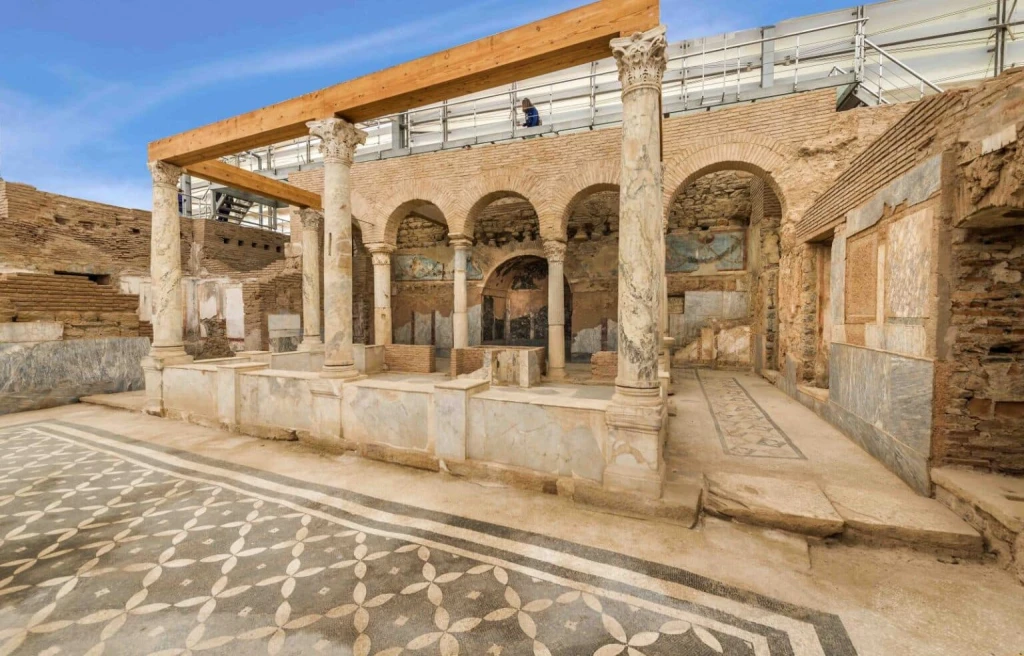
Terrace Houses
Guests may choose an optional visit to the remarkable Terrace Houses, often called the "Houses of the Rich." These luxurious Roman residences belonged to Ephesus' wealthy elite and are famous for their exceptionally preserved mosaics, colorful frescoes, marble interiors, and advanced heating systems.
The complex provides an extraordinary glimpse into the lifestyles of affluent Roman families during the height of the empire.
Highlights
- Optional visit
- Luxurious Roman residences
- Beautiful mosaics and frescoes
- Advanced Roman engineering and interior design
House of the Virgin Mary
Continue to the peaceful House of the Virgin Mary (Meryem Ana Evi), one of the world's most important Christian pilgrimage destinations.
According to longstanding Christian tradition, the Virgin Mary spent the final years of her life here under the care of Saint John the Apostle following the crucifixion of Jesus. The site has been recognized and visited by numerous Popes and welcomes pilgrims from around the world seeking prayer, reflection, and spiritual renewal.
Visitors will have time for quiet contemplation in this sacred setting surrounded by the beautiful forests of Mount Koressos.
Highlights
- International Christian pilgrimage site
- Traditional final residence of the Virgin Mary
- Visited by several Popes
- Peaceful setting for prayer and reflection
- One of Türkiye's most sacred Christian sites
Ayasuluk Hill
Continue to historic Ayasuluk Hill, one of the oldest continuously inhabited areas in the region. Throughout history, the hill has been occupied by Hittite, Greek, Roman, Byzantine, Seljuk, and Ottoman civilizations.
From the summit, visitors can enjoy panoramic views of Selçuk, the surrounding countryside, and the ancient city of Ephesus while learning about the strategic importance of this historic settlement.
Highlights
- Historic hill overlooking ancient Ephesus
- Layers of civilizations spanning thousands of years
- Panoramic views of Selçuk and the surrounding area
- Significant archaeological landscape
Basilica of St. John
Located on Ayasuluk Hill, the Basilica of St. John was commissioned by the Byzantine Emperor Justinian I during the 6th century AD over the traditional burial place of Saint John the Apostle.
Once among the largest churches in the Byzantine Empire, the basilica became one of Christianity's most important pilgrimage destinations. Visitors can explore its impressive ruins while learning about the life, ministry, and legacy of Saint John, traditionally regarded as the author of the Gospel of John and the Book of Revelation.
Highlights
- Built in the 6th century AD by Emperor Justinian
- Traditional burial site of Saint John the Apostle
- Major Byzantine pilgrimage church
- Outstanding biblical and historical significance
Şirince Village
In the late afternoon, enjoy a short visit to the picturesque Şirince Village, nestled among olive groves and vineyards in the hills above Selçuk.
Famous for its beautifully preserved stone houses, narrow cobbled streets, local handicrafts, fruit wines, and traditional Aegean atmosphere, Şirince offers a relaxing conclusion to the day's exploration. Visitors will have free time to stroll through the village, browse local artisan shops, or enjoy a cup of Turkish coffee in one of its charming cafés.
Highlights
- Traditional Aegean village
- Historic Greek-Ottoman architecture
- Local handicrafts and regional products
- Scenic streets and authentic atmosphere
- Relaxing end to the day's tour
Overnight in Kuşadası.
08 Day 8 • In-depth Ephesus Area / Optional Priene-Miletus-Didyma Tour & Flight to Istanbul
After breakfast, enjoy a relaxing morning at leisure in Kuşadası, with time to explore the seaside promenade, browse local shops, or simply unwind before the day's activities. Guests may also choose to join an optional full-day excursion to three of the most important archaeological sites of ancient Ionia: Priene, Miletus, and Didyma. In the evening, transfer to Izmir Adnan Menderes Airport for the domestic flight back to Istanbul.
Morning at Leisure
Enjoy free time to experience the relaxed coastal atmosphere of Kuşadası. Visitors may take a walk along the marina, enjoy traditional Turkish cuisine at a local café, or shop for regional handicrafts, olive oil products, ceramics, and souvenirs.
This leisurely morning provides an opportunity to appreciate the beauty of Türkiye's Aegean coastline before continuing the journey.
Highlights
- Free time in Kuşadası
- Seafront promenade and marina
- Shopping for local handicrafts and souvenirs
- Relaxed Aegean coastal atmosphere
Full-Day Excursion: Priene – Miletus – Didyma
Guests wishing to further explore the rich history of ancient Ionia may join an optional excursion to three of western Türkiye's most significant archaeological sites, each offering unique insight into Greek civilization, Roman architecture, philosophy, and early Christianity.
Ancient City of Priene
The first stop is the remarkably preserved Ancient City of Priene, one of the finest examples of Hellenistic urban planning. Established on the slopes of Mount Mykale, Priene was designed according to the famous grid system developed by the architect Hippodamus of Miletus, making it one of the earliest planned cities in history.
Visitors will explore its well-preserved streets, public buildings, agora, theatre, and the magnificent Temple of Athena, designed by the renowned architect Pytheos, who also contributed to the Mausoleum at Halicarnassus.
Priene was an important cultural center where philosophy, science, and democratic civic life flourished.
Highlights
- Outstanding Hellenistic city planning
- Temple of Athena by architect Pytheos
- Ancient theatre and agora
- Panoramic mountain setting
- Important Ionian archaeological site
Ancient City of Miletus
Continue to Miletus, one of the greatest port cities of the ancient Greek world and one of the most influential intellectual centers of antiquity.
Miletus is celebrated as the birthplace of several pioneering philosophers, including Thales, Anaximander, and Anaximenes, whose ideas laid the foundations of Western philosophy and science.
The city also holds considerable biblical importance. Saint Paul visited Miletus during his missionary journeys and delivered his emotional farewell address to the elders of Ephesus here, as recorded in the Acts of the Apostles (Acts 20).
Visitors will discover the impressive Great Theatre, Roman baths, agora, and other monumental remains that illustrate the city's prosperity.
Highlights
- Birthplace of early Greek philosophy
- Connected with Saint Paul's missionary journeys
- Monumental Roman theatre
- Ancient harbour city of Ionia
- Significant biblical and archaeological heritage
Temple of Apollo at Didyma
The excursion continues to the magnificent Temple of Apollo at Didyma, one of the largest and most impressive sanctuaries of the ancient Greek world.
Dedicated to Apollo, the god of prophecy, music, and light, the sanctuary was famous for its oracle, second in prestige only to Delphi. Pilgrims from across the Mediterranean traveled to Didyma seeking divine guidance from Apollo's priests.
Although never fully completed, the temple remains one of the greatest architectural achievements of antiquity, featuring colossal Ionic columns, monumental staircases, and beautifully carved stonework.
Highlights
- One of the largest temples of the ancient world
- Famous Sanctuary of Apollo
- Renowned ancient oracle
- Monumental Ionic architecture
- Exceptional archaeological site
Evening Flight to Istanbul
Following the day's program, transfer to Izmir Adnan Menderes Airport for your scheduled domestic flight to Istanbul.
Upon arrival, meet your local representative and transfer to your hotel. The remainder of the evening is at leisure, allowing time to relax or enjoy Istanbul's vibrant atmosphere before the final day of the journey.
Overnight in Istanbul.
09 Day 9 • Fener–Balat, Ecumenical Patriarchate & Golden Horn Views
After breakfast, explore the historic neighborhoods of Fener and Balat, two of Istanbul's oldest districts located along the shores of the Golden Horn. These UNESCO-listed quarters have been home to Greek Orthodox, Armenian, Jewish, and Muslim communities for centuries, making them among the city's richest cultural and religious landscapes. Discover important Christian landmarks, historic streets, and architectural treasures before concluding the journey with a memorable farewell dinner.
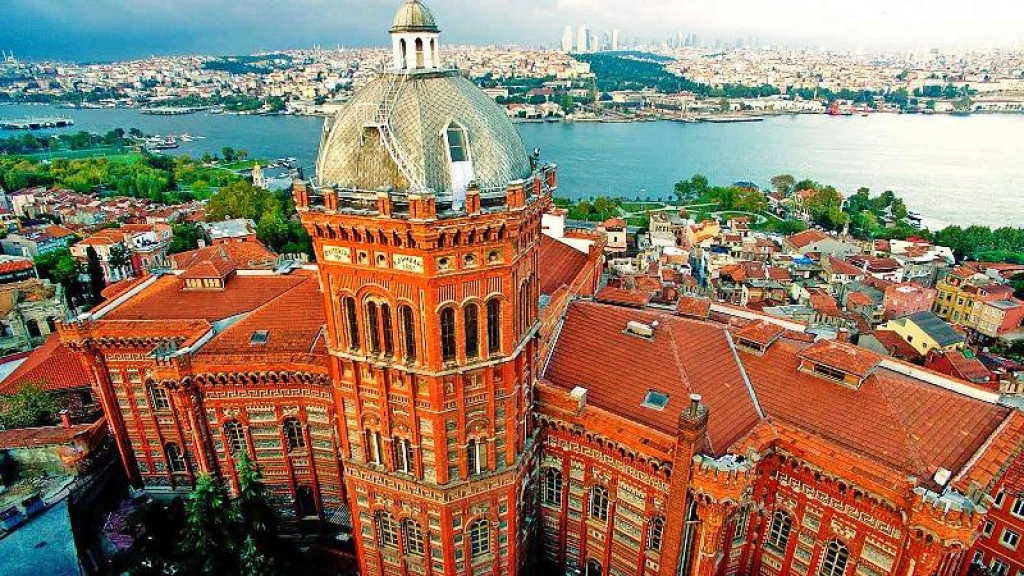
Fener District
Begin the day in the historic Fener district, the traditional center of the Greek Orthodox community in Istanbul since the Ottoman period. Following the fall of Constantinople in 1453, Fener became the residence of the Ecumenical Patriarch and has remained one of the most significant centers of Orthodox Christianity ever since.
Walking through its narrow streets, visitors will admire beautifully preserved Ottoman-era houses, historic churches, and elegant stone buildings while learning about the district's centuries-old religious and cultural importance.
Highlights
- Historic Greek Orthodox quarter
- Traditional center of Orthodox Christianity
- Ottoman-era architecture
- Rich Byzantine and Ottoman heritage
- Historic streets overlooking the Golden Horn
Ecumenical Patriarchate of Constantinople
Visit the historic Ecumenical Patriarchate of Constantinople, the spiritual headquarters of the Eastern Orthodox Church and one of the most important Christian institutions in the world.
The Patriarchate has served as the seat of the Ecumenical Patriarch since the late 16th century and continues to play a central role in Orthodox Christianity worldwide. During the visit, guests will learn about the history, traditions, and global significance of the Patriarchate, as well as its role in preserving the spiritual heritage of Eastern Christianity.
Highlights
- Spiritual center of the Eastern Orthodox Church
- Residence of the Ecumenical Patriarch
- One of the world's most important Christian institutions
- Historic religious and cultural landmark
- Active center of Orthodox worship
Church of St. George (Subject to Local Access)
Located within the Patriarchate complex, the Church of St. George serves as the principal cathedral of the Ecumenical Patriarchate. Subject to local access and religious services, visitors may enter this sacred church to admire its beautiful interior and learn about its remarkable collection of Christian relics and sacred objects.
Among its most treasured possessions are the Patriarchal Throne, believed to date back to the Byzantine period, and important relics associated with early Christian saints. The church continues to host major Orthodox religious ceremonies throughout the year.
Highlights
- Cathedral of the Ecumenical Patriarchate
- Historic Patriarchal Throne
- Sacred relics and religious icons
- Active Orthodox place of worship
- Visit subject to local access regulations
Balat District
Continue with a leisurely walk through the colorful streets of Balat, one of Istanbul's most authentic and historically diverse neighborhoods. For centuries, Balat has been home to Jewish, Greek Orthodox, Armenian, and Muslim communities, creating a unique blend of cultures that continues to define the district today.
Its picturesque streets are lined with brightly painted historic houses, traditional cafés, artisan workshops, antique shops, and beautifully preserved religious monuments that reflect the city's multicultural identity.
Highlights
- Historic multicultural neighborhood
- Colorful Ottoman-era houses
- Traditional cafés and artisan shops
- Rich cultural and architectural heritage
- Authentic atmosphere of old Istanbul
Churches, Synagogues & Mosques of Balat
As you walk through Balat, observe the remarkable coexistence of churches, synagogues, and mosques, each representing different faith communities that have lived side by side for centuries.
Your guide will explain how Byzantine, Ottoman, and modern influences shaped these neighborhoods into one of the world's most fascinating examples of religious and cultural diversity. The tour highlights Istanbul's unique position as a meeting point between civilizations, cultures, and faith traditions.
Highlights
- Historic Christian churches
- Centuries-old Jewish synagogues
- Ottoman mosques
- Living example of religious coexistence
- Rich multicultural heritage
Farewell Dinner
In the evening, conclude your unforgettable journey through Türkiye with a special Farewell Dinner at a carefully selected local restaurant.
Enjoy authentic Turkish cuisine while reflecting on the remarkable experiences of the past days—from the Seven Churches of Revelation and the ancient cities of Asia Minor to the magnificent monuments of Istanbul. This final gathering offers an opportunity to celebrate the rich history, biblical heritage, and warm hospitality that have made the journey truly memorable.
Highlights
- Traditional Turkish cuisine
- Relaxing final evening with the group
- Celebration of the journey's biblical and historical experiences
- Memorable conclusion to the tour
Overnight in Istanbul.
10 Day 10 • Departures
Transfer to the airport according to flight times. Rituals Travel & Events provides assistance with departures and farewells.
End of tour.
What's Included
• Private VIP vehicle for all transfers and on-site transport
• Professional licensed guide
• 9 nights accommodation (breakfast included) 5* Hotels
• Entrance fees to sites and museums as specified in the program
• 9 Days Lunches
• Airport Transfer
• Domestic flights Istanbul–Izmir & Izmir–Istanbul
• Bottled water and light refreshments on board
• Rituals Travel & Events operational support and 24/7 emergency line
Not Included
• International flights and visa/travel insurance
• Dinner
• Optional tours and extra entrances (Terrace Houses, Priene/Miletus/Didyma)
Important information
• Comfortable walking shoes are recommended for uneven ancient pavements.
• Some churches (e.g., St. Polycarp) require prior appointments — these will be arranged by the Rituals Travel & Events.
• Weekends and public holidays can be busy at major sites.
Customer Reviews
No reviews yet